
Structured Cabling and Network Infrastructure
Structured cabling in Muscat and across Oman
What's included
What we cover
Survey and plan
We check the building, cable routes and room layout, then plan the outlets, risers, racks and cable types.
Copper cabling
Cat6 or Cat6A cable to desks, access points and cameras, kept within the 90 metre limit for each run.
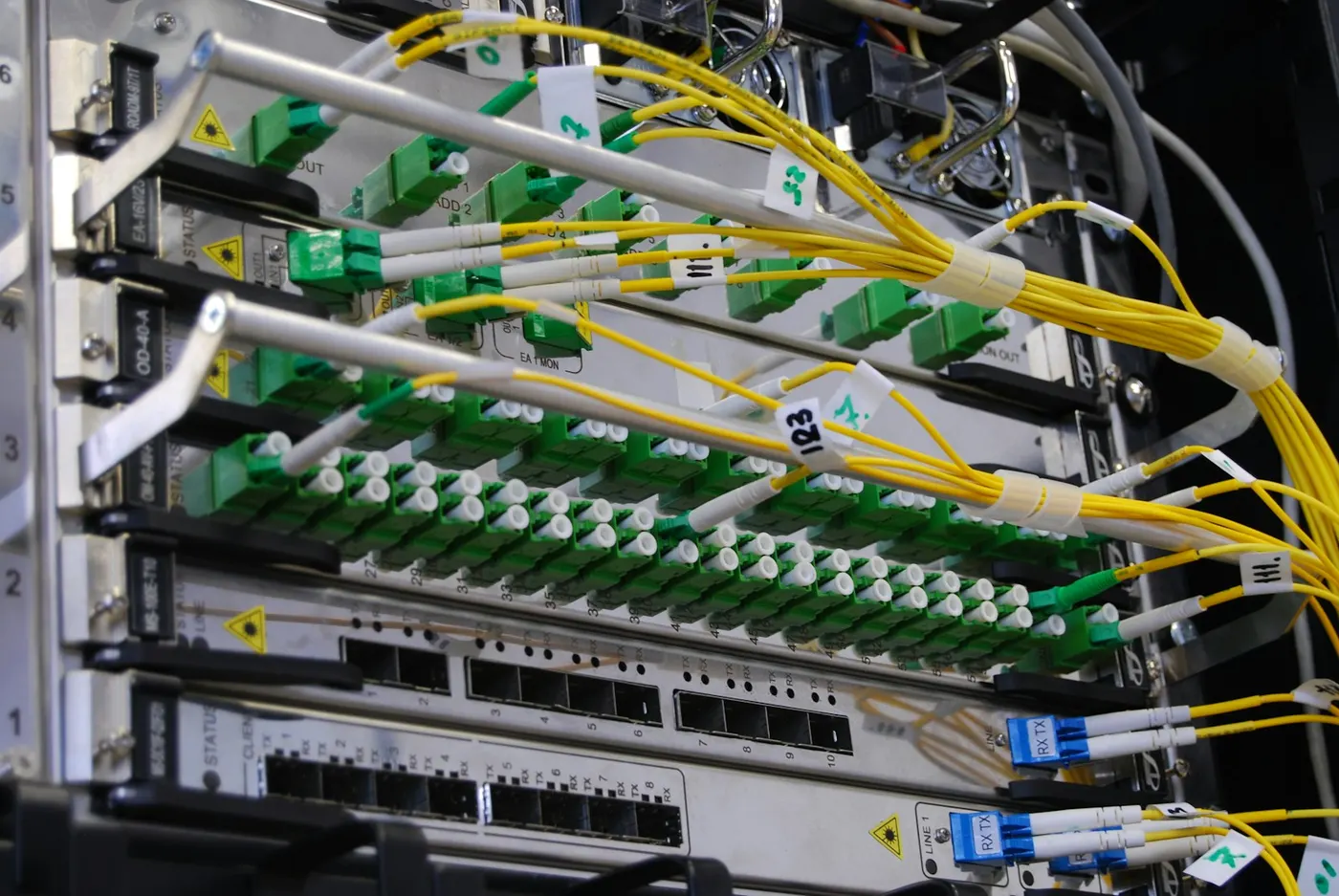
Fibre optic cabling
Fibre between floors, buildings or racks where distance or speed needs it, terminated and tested.
Racks and patch panels
Racks, patch panels and cable management arranged so equipment can be traced and changed.
Labelling and testing
Every cable labelled at both ends and tested, with the results kept for handover.
Documentation
A cable schedule and, where needed, as-built drawings for your records.
Not sure what you need? Tell us about your project in a few lines. We will reply with next steps and a quotation, no obligation.
What you get
Deliverables
- Cabling plan and drawings
- Cable runs installed and labelled
- Racks and patch panels
- Test results for each cable
- As-built documentation
- Handover
Common problems
Issues we help you solve
- Cables run without labels, so nobody knows which one goes where
- Old cabling that cannot carry the speed new equipment needs
- A rack that is hard to work in and hard to trace
- Cameras and access points added later with extra cabling that was never planned
- No test results to prove a cable meets its standard
Where it is used
- New offices and fit-outs
- Warehouses and showrooms
- Buildings adding CCTV or Wi-Fi
- Server and comms rooms
- Tidying and re-labelling an old installation
System components
- Cat6
- Cat6A
- Fibre
- Racks
Products & brands
Equipment we use
FAQ
Common questions
What is structured cabling?
It is a planned system of copper and fibre cabling, outlets, patch panels and racks that connects your network equipment, computers, cameras, access points and phones.
What is the difference between Cat6 and Cat6A?
Both carry gigabit speeds. Cat6A is built for 10 gigabit over the full 90 metre run and handles interference better, so it is often chosen for new work that must last.
When do I need fibre?
Fibre is used for long runs, between buildings or floors, and where very high speeds are needed. Copper is normally used for the final run to each desk or device.
Can you add cabling to an existing office?
Yes. We survey the space first and plan the routes to limit disruption to your staff.
Do you test the cables?
Yes. Each cable is tested and the results are kept for handover. Ask for the test report if your project needs one.
Start a project
Planning a structured cabling and network infrastructure project?
Tell us what you need and where. We will reply with next steps and a quotation.